

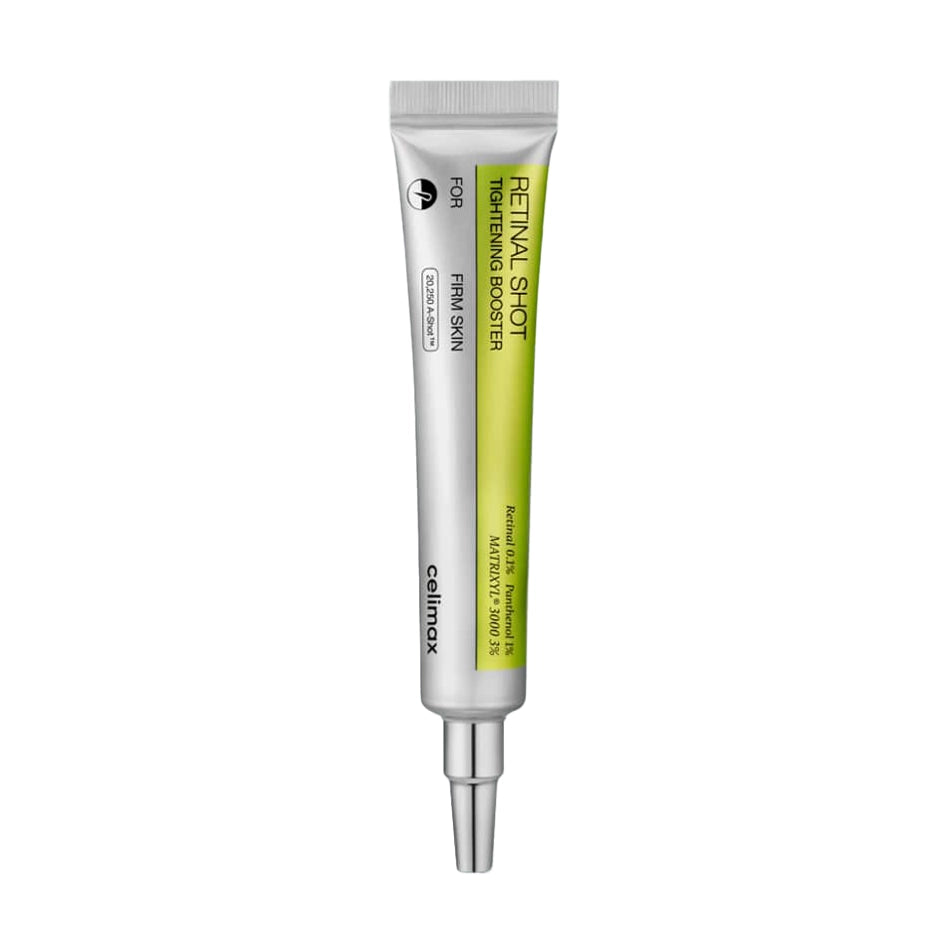

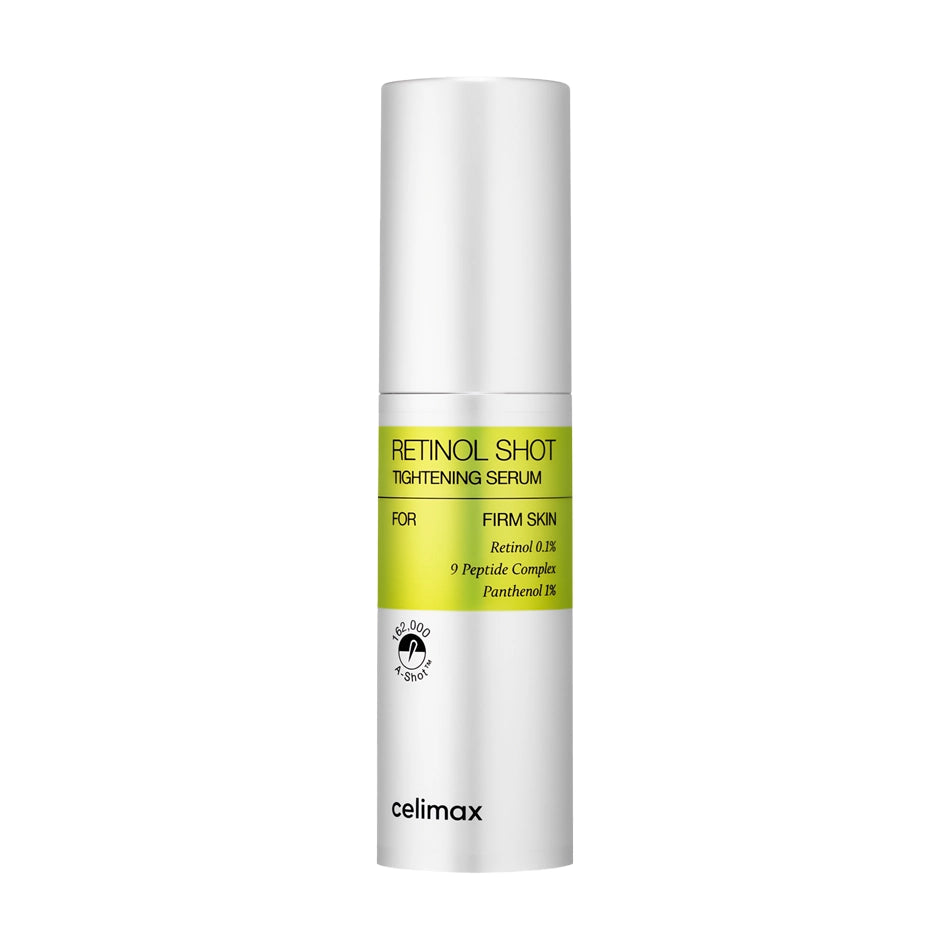
Serum, emulsion and essence often look similar: beautiful bottles, lightweight textures and promises of hydration, glow or skin comfort. However, their role in a routine is not the same. An essence usually prepares and hydrates the skin, a serum works more specifically with a particular skin need, while an emulsion helps seal in moisture in a lighter way than a classic cream.

Why are these products so often confused?
A Korean skincare routine includes many steps between toner and cream. That is why questions often come up: is an essence the same as a serum? Can an emulsion replace a cream? Do you need to use all three products in one routine?
The main difference is texture, concentration and purpose. The name on the packaging does not always explain everything perfectly, because different brands use these terms slightly differently. In practice, however, the role of these products is easy to understand: from the lightest texture to the richer one, from preparation to sealing.
- Essence A lightweight hydrating and preparatory step after toner. It helps the skin feel more supple and better prepared for the next products.
- Serum or ampoule A more concentrated step with a specific goal: hydration, soothing, glow, visual tone balance, texture or first signs of ageing.
- Emulsion A lighter alternative to cream or an additional hydrating layer before cream. Especially pleasant for combination, oily and dehydrated skin.
The short answer: how can you tell them apart?
If you remember only one thing, make it this: essence prepares, serum targets a specific need, and emulsion helps hydrate and seal care in a lighter texture.
Lighter, often watery or gel-like. Great for hydration and preparing the skin.
More concentrated and more targeted. A few drops or a small amount are usually enough.
A lightweight creamy step. It can replace a cream or complement it when the skin needs more comfort.
What is a serum?
Serum is a more concentrated skincare product usually chosen according to a specific skin need. It can be a hydrating, soothing, brightening, antioxidant, peptide, retinol, azelaic acid or other active ingredient step.
Serum is usually applied after toner or essence, in a small amount. You do not need to apply a lot — often a few drops or one pump is enough. After serum, the routine is usually finished with a cream, emulsion or SPF in the morning.
- When should you choose a serum? When you have a clear goal: dryness, redness, dullness, uneven tone, dehydration, first signs of ageing or sensitivity.
- How to use it? Apply to clean, toned skin after the lighter watery steps and before cream or emulsion.
- What should you avoid overdoing? You do not need to use several active serums in one evening. For sensitive skin, it is better to start with one serum and observe the reaction.
What is an essence?
Essence is one of the classic K-Beauty steps. It is usually lighter than a serum and is used after cleansing and toner. The main purpose of an essence is to hydrate, soften and prepare the skin for the next skincare steps.
Essence is often watery, gel-like or slightly elastic in texture. It is usually applied with the hands rather than a cotton pad, gently pressing it into the skin. If the skin is dehydrated, an essence can be a very pleasant additional step between toner and serum.
- When should you choose an essence? If the skin feels tight, dehydrated, dull, or if you want to make your routine gentler and more hydrating.
- How to use it? After toner, apply a small amount into your palms and gently pat it into the skin with light pressing movements.
- Does it replace serum? Sometimes yes, if the skin only needs light hydration. For more targeted active care, however, serum will be the more precise step.
What is an emulsion?
Emulsion is a lightweight creamy product that is usually more fluid and less heavy than a classic face cream. It helps hydrate the skin, make it feel more comfortable and lightly seal the previous steps.
Emulsion is especially pleasant for normal, combination and oily skin, where creams can sometimes feel too heavy. For dry skin, an emulsion can work as an additional layer before cream, especially in the colder season or when the skin feels dehydrated.
- When should you choose an emulsion? If you want lightweight hydration without heaviness, or if your daily cream feels too rich.
- How to use it? After serum or essence, apply a small amount to the face and neck. In the morning, apply SPF on top.
- Can emulsion replace cream? For oily and combination skin, often yes. For dry skin, it will more often be an additional step before cream.
The correct application order
In a multi-step skincare routine, the most common principle is: from the lightest texture to the richest one. This helps products layer more comfortably and reduces the feeling of heaviness on the skin.
Removes SPF, makeup, sebum and daily impurities. In the evening, if you use SPF or makeup, double cleansing may be useful.
Helps prepare the skin for the next steps and provides the first layer of hydration after washing.
A lightweight hydrating step that makes the skin feel more supple and comfortable before more active care.
A targeted step for a specific need: hydration, soothing, tone, texture or first signs of ageing.
Helps seal in moisture and make the skin feel more comfortable. For oily skin, an emulsion may be enough; dry skin may need a cream.
The final step in a daytime routine is sun protection, especially if you use active ingredients, acids or retinoids.
Do you need to use all three products?
No, it is not mandatory. A Korean skincare routine is flexible, and products can be chosen according to your skin’s needs. Sometimes toner, serum and cream are enough. At other times, especially for dehydrated skin, layering toners and essences can work very well.
Cleansing, serum as needed, cream and SPF in the morning.
Toner, essence, hydrating serum and emulsion or cream.
A lightweight serum and emulsion may feel more comfortable than several heavy cream layers.
Products that make the difference easy to understand
Below you will find examples from the YOKO assortment: serums, essences and an emulsion. They help show what each product type looks like in practice and how it can be included in your daily skincare routine.

Elizavecca Hell-Pore Control Hyaluronic Acid 97%
A hyaluronic acid serum that clearly shows the idea of a serum: a small amount, concentrated texture and a specific goal — hydrating the skin and leaving it feeling fresher.
View product
Purito Seoul Wonder Releaf Centella Serum
A soothing serum with Gotu kola, also known as centella. A good example of a serum chosen not only for hydration, but for a specific need — sensitivity, redness and a feeling of discomfort.
View product COSRX Advanced Snail 96 Mucin Power Essence
A classic K-Beauty essence with snail mucin. It clearly shows how an essence can be a lightweight but noticeable hydrating step between toner and cream or serum.
View product
Haruharu Wonder Black Rice Hyaluronic Essence
A hydrating essence with hyaluronic acid and black rice extract. Suitable if you want a lightweight texture that helps reduce the feeling of dryness and tightness after cleansing.
View product
MEDI-PEEL Peptide 9 Aqua Essence Emulsion
A lightweight emulsion with peptides. For normal, combination and oily skin, it can be a pleasant alternative to cream, while for dry skin it can work as an additional layer before cream.
View productHow to choose according to skin type?
The product name is only the beginning. It is more important to understand what your skin is asking for right now: more moisture, less irritation, a lighter texture or more intensive active care.
- For dry skin — essence + serum + cream or emulsion before cream.
- For dehydrated skin — a hydrating essence and a hyaluronic acid or panthenol serum.
- For oily skin — a lightweight serum and emulsion that do not make the skin feel heavy.
- For sensitive skin — a soothing serum with centella, panthenol or allantoin, without too many actives at once.
- For more mature skin — peptides, niacinamide, antioxidants and an emulsion or cream for comfort.
One of the most common mistakes is trying to layer too many active products in one routine simply because they all seem “good”. Skin does not always need more — often it needs consistency and the correct order.
- Do not use several strong active serums in one evening if your skin is sensitive.
- Do not apply too many layers if the skin starts to feel sticky, heavy or irritated.
- Do not forget SPF in the morning, especially if your routine includes acids, retinoids or brightening ingredients.
- If burning, pronounced redness or itching appears, reduce the number of products and choose a gentler routine.
Frequently asked questions
Are essence and serum the same thing?
Not always. Essence is usually lighter and more focused on hydration and preparing the skin, while serum is more concentrated and more often works with a specific skin need.
Can emulsion be used instead of cream?
Yes, especially for normal, combination and oily skin. For dry skin, an emulsion will often be an additional hydrating layer, with a cream still needed on top.
In what order should essence, serum and emulsion be used?
After cleansing and toner, use essence first, then serum, then emulsion or cream. In the morning, finish the routine with SPF.
Can you use two serums in one routine?
You can, but it is not mandatory. It is better to combine one hydrating or soothing serum with one more active product, rather than using several strong active ingredients at the same time.
What should you choose if your skin is very sensitive?
Start with a simple routine: a gentle toner, a soothing serum and a cream or emulsion. Look for centella, panthenol, allantoin and ceramides, and avoid formulas that are too heavily fragranced.
The key is not the number of products, but their role
Serum, essence and emulsion do not all have to be used at the same time. Essence helps prepare and hydrate the skin, serum provides more targeted active care, while emulsion lightly seals in moisture. Choose them according to your skin’s needs, not only according to the name on the bottle.
View serums and ampoules at YOKO