


Silicones in hair care are one of the most discussed groups of ingredients. Some people avoid them, while others cannot imagine their hair routine without a serum or mask that makes hair smooth and shiny. The truth is somewhere in the middle: silicones are not “bad”, but they should be chosen and used according to hair type, hair condition and cleansing routine.

What are silicones in hair care products?
Silicones are synthetic polymers used in cosmetics to improve texture, slip, smoothness and a protective feel. In hair care, they are most often found in conditioners, masks, serums, heat protection products and leave-in formulas.
On hair, silicones usually work on the surface: they help smooth the feel of the hair cuticle, reduce friction, make combing easier, add shine and can help hair look smoother. They do not “repair” hair in a biological sense, but they can significantly improve the way hair looks and feels.
- Smoothness Silicones help reduce roughness along the hair length and make hair easier to comb.
- Shine The smoother the hair surface is, the better it reflects light — making hair look more radiant.
- Less frizz Silicones can help reduce the frizz effect, especially on porous, damaged or colour-treated hair.
- A protective feel Some silicones form a thin layer on the hair surface, helping reduce mechanical friction and tangling.
Are silicones harmful?
Silicones in cosmetics are not automatically harmful. Problems usually start not because a product contains silicone, but because the specific product may not suit your hair or because the hair is not cleansed well enough.
If hair is thick, porous, colour-treated, bleached or dry, silicones often give a very beautiful visual result. If hair is very fine, low-porosity or quickly becomes weighed down, too much silicone can create a buildup feeling: hair may look flat, lose freshness faster and absorb moisturising products less effectively.
Silicones help hair look smoother, shinier and easier to manage.
If hair becomes heavy, dull or “coated”, deeper cleansing may be needed.
For some hair types, silicones are a lifesaver; for others, they can be too heavy.
What types of silicones are there?
On packaging, silicones often have names ending in -cone, -conol, -siloxane or -silane. Not all silicones behave the same way: some rinse out more easily, while others stay on the hair better and give a more noticeable smoothing effect.
- Easier-to-rinse silicones Often found in lighter formulas. They weigh hair down less and are more suitable if you do not want a heavy coating feel.
- Water-soluble silicones Usually wash out more easily and are less likely to build up. They can often be recognised by PEG/PPG markings in the name.
- Insoluble or heavier silicones For example, dimethicone and amodimethicone can give strong smoothness, but with long-term use they may require more thorough cleansing for some hair types.
Benefits of silicones for hair
Silicones are especially useful when the hair surface is damaged and rough. This often happens after bleaching, colouring, chemical treatments, frequent blow-drying or using straighteners and curling tools.
- Easier combing By reducing friction, hair is less likely to catch on itself, which may mean less mechanical damage during combing.
- Fast visual effect After a mask, balm or serum with silicones, hair often immediately looks smoother and shinier.
- Frizz control For porous hair, silicones help reduce frizz and make the lengths look more polished.
- Support for heat styling Many styling and heat protection products use silicones because they help smooth the hair surface and reduce the feeling of dryness caused by heat.
Silicones can become an issue when they build up on the hair surface and are not washed away well enough. This is more common with thin, fine or low-porosity hair, and also when many leave-in products are used regularly.
- Hair becomes heavy and lies flat at the roots more quickly.
- The lengths look dull, even when you use many care products.
- Hair absorbs moisturising masks or serums less effectively.
- A “dirty hair” feeling appears faster near the roots.
- Fine hair loses volume and lightness.
How to cleanse hair properly when using silicones
If your routine includes masks, serums, heat protection or leave-in products with silicones, your hair may benefit from more thorough cleansing from time to time. This does not mean you need to use an aggressive shampoo every day, but balance matters.
If your hair is smooth, light and shiny, there is no need to change your routine only because the formula contains silicone.
If hair becomes heavy or dull, you can use a deeper-cleansing shampoo once every 1–3 weeks or wash the scalp more thoroughly in two rounds.
Use silicone-based serums and oil-like products in small amounts, mainly on the lengths and ends.
For fine hair, choose lighter textures, while for thicker, porous and bleached hair, silicones can be very useful.
Who are silicones most often suitable for?
Silicones fit especially well into a routine when the main concerns are frizz, roughness, a dry feel and difficult combing. They can also be very useful for hair that is regularly coloured, bleached or heat-styled.
- Bleached hair Helps visually smooth the surface of damaged and rough hair, giving it a softer feel.
- Porous hair Reduces frizz and makes the hair lengths more manageable.
- Long hair Helps the ends catch less and makes combing easier after washing.
- Frequently styled hair Can be a good addition to a routine together with heat protection and gentle drying.
Products with silicones in the YOKO range
If you want to try products with silicone-based smoothing formulas, choose them according to your hair’s needs: a leave-in serum for the ends, a mask for smoothness or care for the scalp and hair lengths.

Elizavecca CER-100 Collagen Coating Protein Ion Injection
A leave-in hair serum with collagen for dry and heat-damaged hair. The formula contains cyclopentasiloxane and dimethicone, which help hair feel smoother, shinier and easier to style.
View product
Lador Tea Tree Calming Scalp Treatment
A mask-balm for the scalp and hair with tea tree extract, menthol, piroctone olamine and centella. The formula contains dimethicone and amodimethicone, which help condition the hair lengths and give a smoother feel.
View product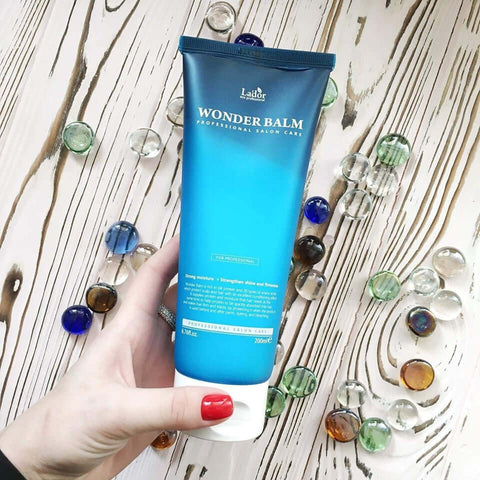
Lador Wonder Balm
A fast-acting moisturising balm with silk proteins, amino acids, macadamia oil, aloe and dimethicone. A good option for dry and damaged hair that needs quick smoothness and easier combing.
View product
Lador Perfumed Hair Treatment
A restorative hair mask with a perfumed scent, keratin, elastin, oat proteins, ceramides and oils. The formula contains dimethicone and amodimethicone, so the mask fits well into a routine for smoothness, shine and easier combing.
View product
Masil 8 Seconds Salon Hair Mask
An express mask for quick hair care that helps make hair softer, smoother and silkier. A good choice when hair needs a fast conditioning effect and easier combing.
View productHow to know if silicones work for you
The best test is not theory, but how your hair reacts. If after using a product your hair is smooth, light, shiny and not weighed down, silicones can be very useful in your routine. If hair becomes flat, dull or greasy quickly, the product may be too heavy or more thorough cleansing may be needed.
Hair is smooth, easy to comb, less frizzy and does not feel heavy.
Hair becomes dull, flat, weighed down or loses freshness quickly.
Reduce the amount of product, use it only on the ends or add periodic clarifying cleansing.
Frequently asked questions about silicones in hair care
Do silicones damage hair?
Silicones themselves usually do not damage hair. They work mainly on the hair surface and help add smoothness, shine and easier combing. Problems may appear when products build up and the hair is not cleansed well enough.
Do silicones cause hair loss?
There is no reason to believe that silicones in hair cosmetics cause hair loss by themselves. If hair loss is sudden, intense or prolonged, it is better to look for the cause with the help of a specialist.
Are silicones suitable for curly hair?
It depends on the curl type and care philosophy. For many curly and porous hair types, silicones help reduce frizz, while the “curly girl” approach often avoids silicones because they may require stronger cleansing.
How can you recognise silicones in the ingredient list?
Look for names that often end in -cone, -conol, -siloxane or -silane, such as dimethicone, amodimethicone, dimethiconol and cyclopentasiloxane.
Do you always need a sulfate shampoo after using silicones?
Not always. Some silicones rinse out more easily, and much depends on the formula. If hair starts to look heavy or dull, a more clarifying shampoo can be useful from time to time.
Silicones are not the enemy — correct use matters
Silicones in hair care can be very useful, especially for dry, porous, colour-treated and damaged hair. They help hair look smoother, shinier and easier to manage. The key is to choose a suitable texture, avoid using too much and cleanse the hair thoroughly from time to time if you notice signs of buildup.
Explore hair care at YOKO